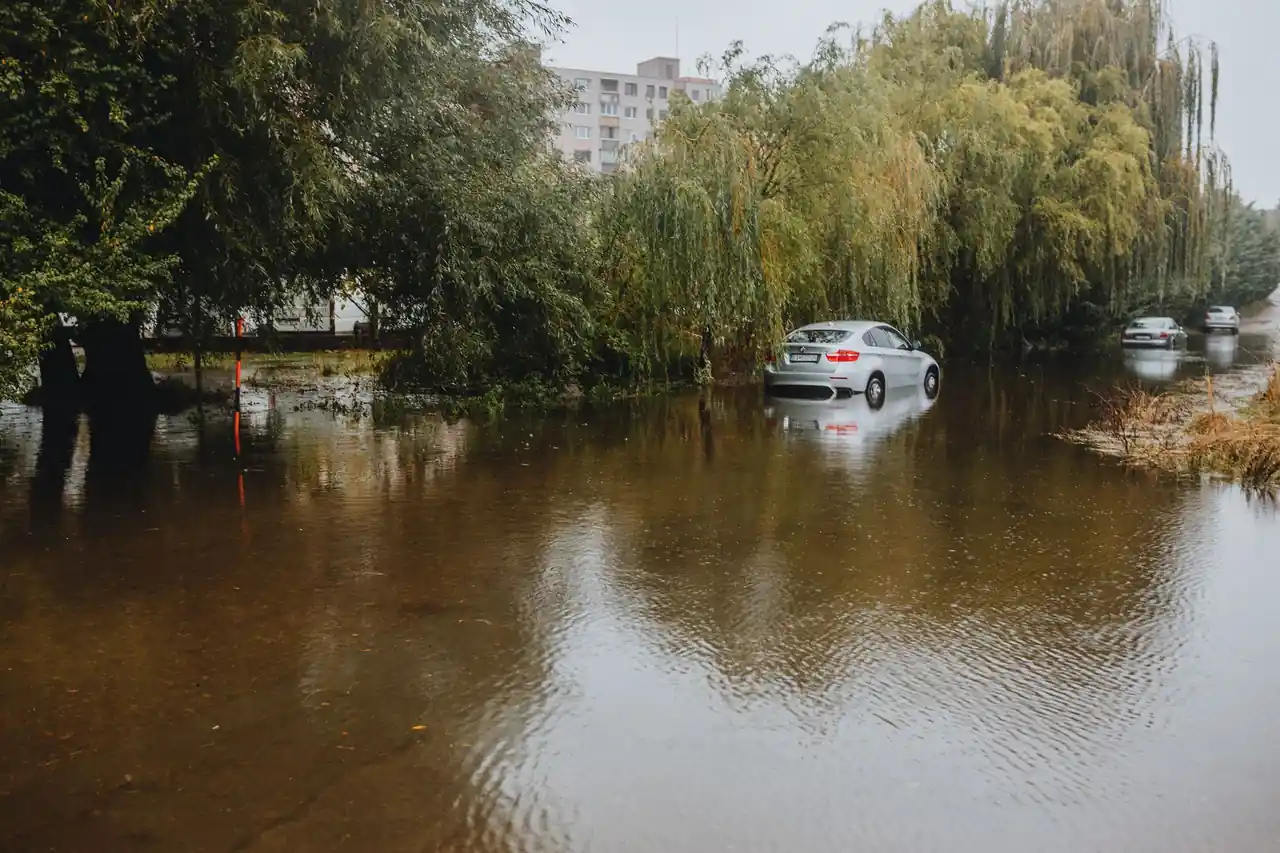
Emergency Water Extraction in Gateway Station, TX

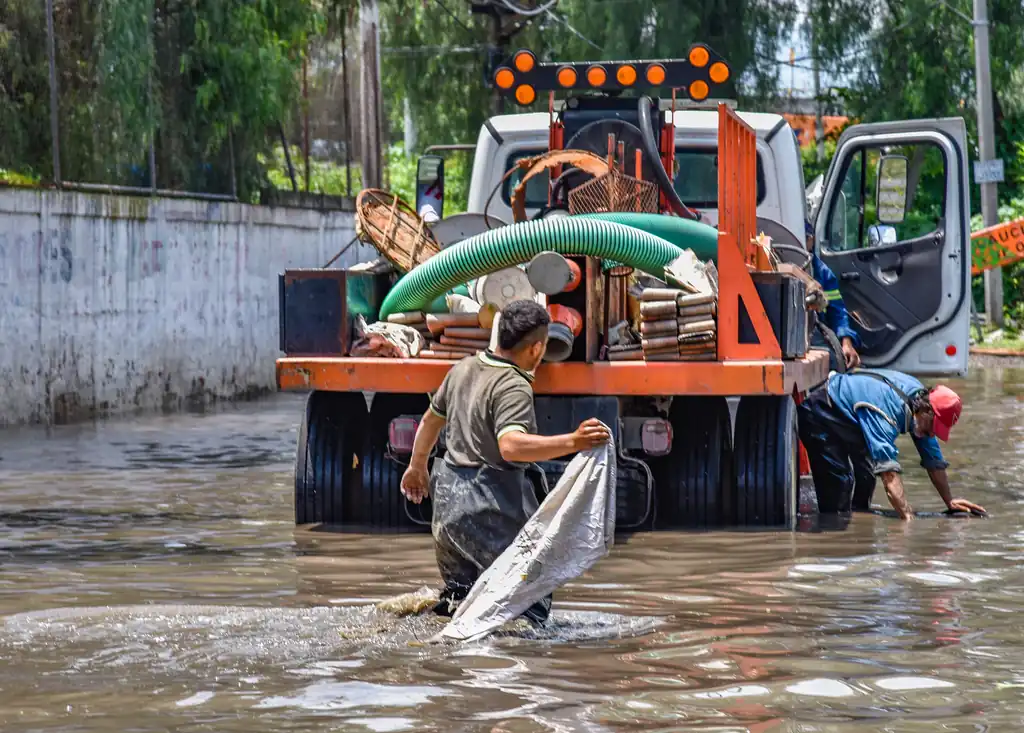
When a pipe bursts or a storm floods your property, Emergency Water Extraction in Gateway Station from our IICRC-certified team gets the water out fast. We serve Gateway Station North, Gateway Station South, Station Square, and Gateway Business Park with truck-mounted extractors and thermal imaging cameras. One call, and we're on the way.

  • Address280 Hondo Trail, Burleson, TX 76028, Burleson, Texas
  • Phone(817) 555-0123
Emergency Water Extraction in Gateway Station

Serving Gateway Station and nearby

  • Written scope firstYou see the plan before work starts
  • Readings on every visitMoisture numbers logged and shared
  • Photos of the damageDocumented for your insurance claim
  • Equipment pulled when dryNot on a fixed schedule

Emergency Water Extraction in Gateway Station

Gateway Station sits in Johnson County, Texas, where mixed-use development and newer buildings with modern plumbing create a unique set of water damage risks. From the Gateway Station Shopping Center to the residential pockets in Gateway Station North and South, we've handled water extraction Gateway Station TX calls for years. Our team knows how quickly water travels through slab foundations and how high-traffic areas near Burleson Transit Center can complicate access during rush hour. We use truck-mounted water extractors, moisture meters, and thermal imaging cameras to find hidden moisture before it becomes mold. Whether it's a burst pipe in a Station Square condo or a roof leak in Gateway Business Park, we respond same-day and work until the structure is dry.

Gateway Station's mix of commercial and residential buildings means we see everything from appliance leaks in modern kitchens to stormwater intrusion in ground-floor retail spaces. The area's high traffic and proximity to highways like I-35W mean stormwater runoff can overwhelm drainage systems during heavy rains, pushing water into parking garages and crawl spaces. We serve Gateway Station because our Burleson base puts us minutes away, and because the newer plumbing systems here still fail under freeze-thaw cycles. Our local experience means we know which streets flood first and how to route equipment around transit traffic.
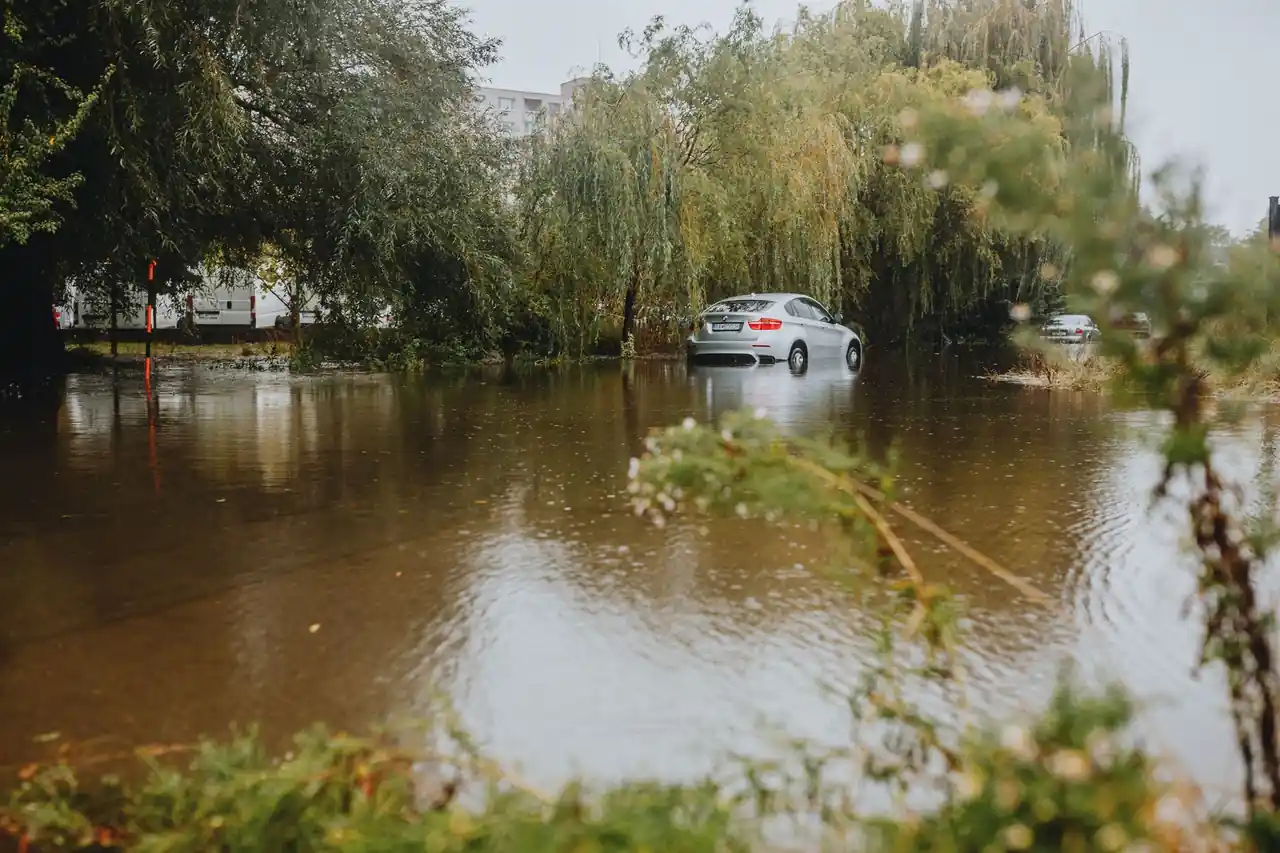
Emergency Water Extraction Services in Gateway Station

Gateway Station's mix of newer construction and high-traffic commercial zones means water damage can come from anywhere: a failed supply line in a Station Square loft, a storm drain backup near Burleson Transit Center, or a slab leak in Gateway Station South. We tailor every response to the building type and the water source. If you need emergency water extraction near me Gateway Station TX, we're the crew that knows these streets.

How each service works in Gateway Station

Burst Pipe Water Cleanup in Gateway Station

Burst Pipe Water Cleanup in Gateway Station

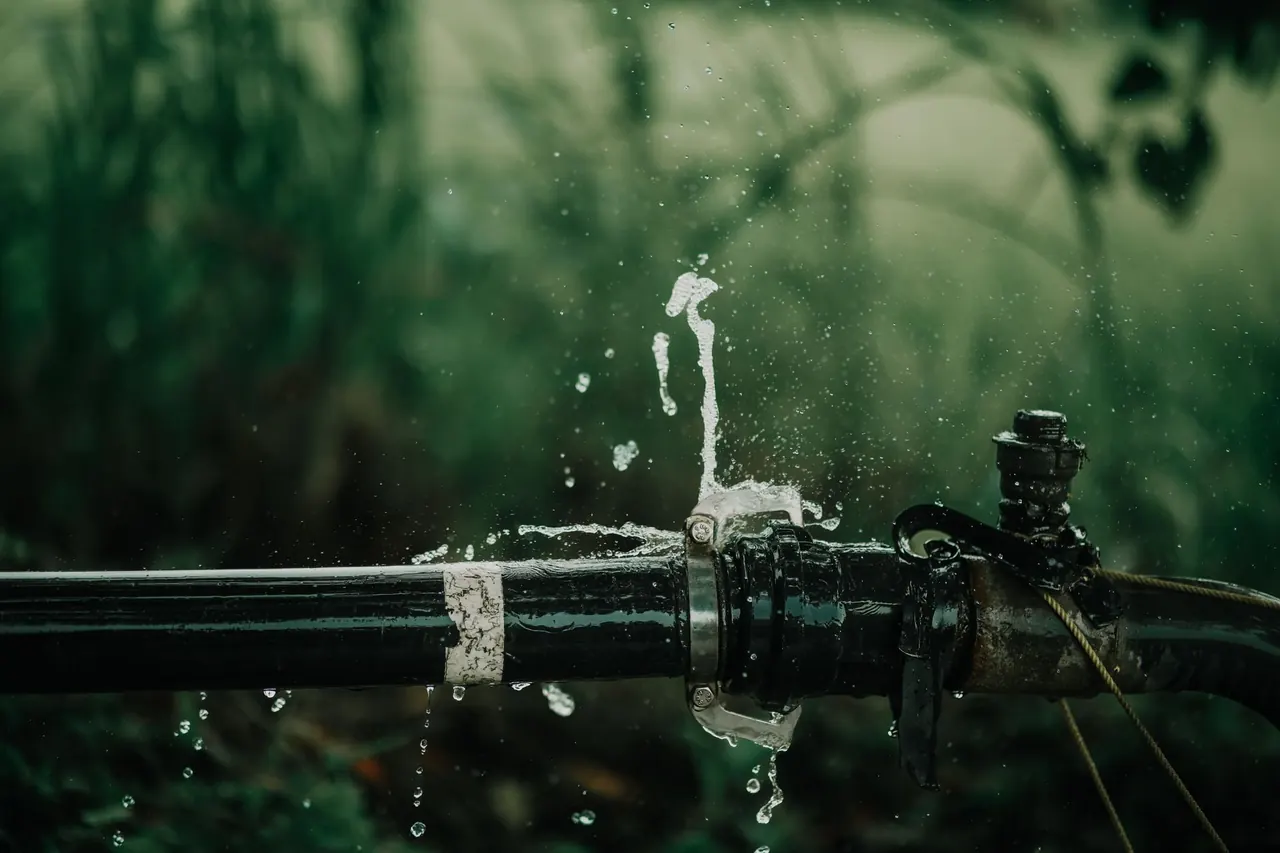
We shut off the water and extract with truck-mounted units. Thermal imaging finds hidden moisture in walls. We dry with air movers and dehumidifiers until readings are dry.

  • Shut off and extract fast
  • Thermal imaging for hidden water
  • Daily moisture checks
For homes in Gateway Station

For homes in Gateway Station

We handle water damage in Gateway Station homes, from slab leaks to burst pipes. Our team extracts water and dries your home fast.

  • Slab leak water extraction
  • Burst pipe cleanup
  • Carpet and pad drying
  • Crawl space water removal
For businesses in Gateway Station

For businesses in Gateway Station

We serve Gateway Station businesses with fast water extraction to minimize downtime. We work after hours to keep your operations running.

  • Retail water extraction
  • Office building drying
  • Warehouse flood cleanup
  • Property management support

Common Water Extraction Problems in Gateway Station

Gateway Station's climate and building stock create specific water damage challenges. From freeze-thaw cycles to high water tables, here's what we see most often and how we handle it. If you're searching for water damage cleanup Gateway Station, we've solved these problems many times.

  • Burst pipes during winter freezes

    Burst pipes during winter freezes

    Gateway Station's newer buildings still have pipes in exterior walls that can freeze when temperatures drop below 20°F. PEX and copper lines can burst, sending water into walls and floors. We shut off the water, extract with truck-mounted units, and use thermal imaging to find hidden moisture. We dry wall cavities with air movers and dehumidifiers, then verify with moisture meters.

  • Sewage backups after heavy rain

    Sewage backups after heavy rain

    Gateway Station's older commercial areas have cast iron sewer lines that can surcharge during storms. When municipal lines back up, sewage enters ground-floor units in Station Square and Gateway Station South. We arrive with full PPE, extract contaminated water, and remove affected materials. We apply antimicrobial solution and disinfectant, then dry the space with desiccant dehumidifiers.

  • Slab leaks in newer homes

    Slab leaks in newer homes

    Gateway Station's slab foundations can hide leaks from copper pipes that corrode or shift. Water travels under the slab and surfaces as warped floors or high water bills. We use a hydrostatic pressure tester to confirm the leak, then extract water and dry the affected area. We coordinate with plumbers to fix the pipe and document the damage for insurance.

  • Roof leaks from storm damage

    Roof leaks from storm damage

    Hail and high winds in Gateway Station can damage shingles and flashing, allowing water to enter attics and ceilings. This is common in Gateway Business Park and Gateway Station North. We trace the leak with thermal imaging, extract water from ceilings and insulation, and set up air movers and dehumidifiers. We also tarp the roof if needed to prevent further intrusion.

Signs You Need Emergency Water Extraction in Gateway Station

Watch for these signs of hidden water damage in your Gateway Station property.

  • Warped or buckling hardwood floors

    Hardwood floors cup and buckle when moisture sits underneath. In Gateway Station's newer homes, this often means a slab leak or slow supply line drip. Waiting can lead to permanent damage and mold growth.

  • Musty odor in a room

    A musty smell means mold is growing, likely from hidden moisture. In Gateway Station's humid climate, mold can start within 48 hours of water intrusion. You need extraction and drying to stop it.

  • Stained or bubbling drywall

    Water stains or bubbling paint on walls indicate a leak behind the surface. This is common after roof leaks in Gateway Business Park or burst pipes in Gateway Station North. Extraction prevents further damage.

  • Higher-than-normal water bill

    A sudden spike in your water bill often points to a hidden leak, like a slab leak or running toilet. In Gateway Station's slab-foundation homes, these leaks can go unnoticed until damage is extensive.

  • Standing water after a storm

    If stormwater pools near your foundation or enters your crawl space, you need extraction fast. Gateway Station's high water table and drainage issues can lead to flooding in Gateway Station South and near Gateway Park.

How We Execute Emergency Water Extraction in Gateway Station

Gateway Station's building stock includes newer construction with PEX plumbing and slab foundations, which can hide leaks until water surfaces. We start every job with a thermal imaging camera and moisture meter to map the extent. For slab leaks, we use a hydrostatic pressure tester to confirm the source before we extract. Access can be tight in Gateway Business Park during business hours, so we coordinate with property managers to stage equipment without blocking loading zones. After extraction, we set up Dri-Eaz air movers and Phoenix dehumidifiers, checking readings daily until materials hit dry standard. If you need same-day water extraction Gateway Station TX, we prioritize calls based on water category and safety.

  • High water table after heavy rains

    Stormwater can saturate crawl spaces and ground-floor units quickly, especially in Gateway Station South where drainage is slow. Water may contain contaminants from soil and runoff, requiring antimicrobial treatment before drying. We use portable extraction units and absorbent pads to remove standing water, then apply antimicrobial solution to all affected surfaces. We also check for hydrostatic pressure issues and recommend drainage fixes to prevent recurrence.

  • Freeze-thaw cycles causing burst pipes

    Gateway Station's newer buildings with PEX and copper lines can still burst when temperatures drop below freezing. Water travels fast through wall cavities, soaking insulation and drywall before you see it. We shut off the main, extract water with truck-mounted units, and use thermal imaging to find hidden moisture. We dry wall cavities with air movers and dehumidifiers, then verify with moisture meters before closing up.

  • Traffic congestion near Burleson Transit Center

    High traffic can delay our arrival during peak hours, and parking near transit hubs is limited. Every minute counts when water is spreading through a commercial space. We route around congestion using local knowledge and stage equipment in nearby lots when needed. For commercial calls, we coordinate with property managers to secure access and minimize disruption to tenants and customers.

  • Texas Department of Licensing and Regulation (TDLR) mold remediation rules

    If water damage leads to mold growth, TDLR rules require licensed mold assessors and remediators for projects over 25 contiguous square feet. We follow these rules and coordinate with licensed mold professionals when needed.

  • IICRC S500 Standard for Water Damage Restoration

    This standard guides our drying protocols, including moisture mapping, equipment placement, and documentation. Following S500 ensures we dry structures to accepted industry standards, which helps with insurance claims.

  • EPA Lead-Safe Certified Firm requirements

    In older buildings, lead-based paint may be present. Our EPA Lead-Safe certification means we follow safe work practices during demolition and repairs, protecting occupants and workers.

What your estimate is based on

  • Water category and contaminationClean water from a supply line is less costly to extract than contaminated water from a sewage backup. Category 3 water requires PPE, antimicrobial treatment, and disposal of affected materials, which adds labor and disposal fees.
  • Square footage affectedThe larger the area, the more equipment and time needed. A single room might take a few hours, while a whole floor can take days of drying with multiple air movers and dehumidifiers.
  • Access and building typeCommercial buildings in Gateway Business Park may require after-hours work and coordination with property managers, which can affect labor costs. Residential jobs with tight access, like condos in Station Square, may need extra equipment staging.

We offer 24/7 emergency response for water extraction in Gateway Station. Whether it's a burst pipe at midnight or a storm flood on a weekend, we're available. We schedule non-emergency drying checks during business hours and can work with your schedule for commercial jobs. Call (817) 555-0123 anytime.

Pricing and Expectations for Emergency Water Extraction in Gateway Station

Emergency water extraction in Gateway Station typically costs between $500 and $3,500, depending on the extent of damage and water category. For a small appliance leak, you might pay around $500-$1,200. A burst pipe that affects multiple rooms can run $1,500-$3,500. Sewage backups cost more due to hazardous materials handling. We provide upfront pricing before we start, so you know what to expect. We also work with your insurance to document the loss using Xactimate, which can help cover costs. If you need water extraction Gateway Station TX, call us for a free estimate.

Navigating Gateway Station: Landmarks We Use

Gateway Station's landmarks help us navigate quickly and orient our crews. Whether we're heading to a call near Gateway Station Shopping Center or meeting a property manager at Burleson Transit Center, these reference points keep us efficient. We also use them to give you accurate arrival times and to coordinate access.

  • Gateway Station Shopping Center

    This shopping center is a major retail hub in Gateway Station. We use it as a reference point for calls in the surrounding commercial and residential areas, helping us navigate to nearby streets quickly.

  • Burleson Transit Center

    The transit center is a key landmark in Gateway Station. When we're dispatched to nearby addresses, we use it to orient our route and avoid traffic congestion during peak hours.

  • Gateway Park

    Gateway Park is a well-known green space in the area. We use it as a landmark for calls in the surrounding neighborhoods, especially when giving directions to our crew.

  • Gateway Business Park

    This business park houses a mix of offices, warehouses, and light industrial spaces. It's a key commercial zone in Gateway Station, with buildings that range from newer construction to older facilities.

  • Gateway Station Shopping Center

    This retail center includes national chains and local shops. It's a busy commercial area with high foot traffic, and we've handled water extraction calls for several tenants here.

  • Burleson Transit Center

    Located centrally in Gateway Station, it provides bus connections and is a landmark for routing. We use it to navigate to nearby residential and commercial addresses.

  • I-35W

    I-35W runs along the eastern edge of Gateway Station, providing quick access to Burleson and Fort Worth. We use it for fast response to calls in the area.

Neighborhoods We Serve in Gateway Station

Gateway Station's neighborhoods each have their own water damage risks, from newer builds in Gateway Station North to commercial spaces in Station Square. We know the streets, the building types, and the common failure points. Here's how we serve each area.

  • Gateway Station North
  • Gateway Station South
  • Station Square
  • Gateway Business Park

Local Case Studies: Water Extraction in Gateway Station

  • Gateway Station North

    Before

    A burst pipe in a Gateway Station North home sent water through the kitchen and into the hallway, saturating hardwood floors and drywall.

    After

    We shut off the water, extracted standing water with a truck-mounted unit, and used thermal imaging to find hidden moisture in the walls. We set up Dri-Eaz air movers and a Phoenix dehumidifier, checking moisture levels daily. The home was dry in three days, and we saved the hardwood floors from replacement. The homeowner's insurance covered the restoration, and we provided Xactimate documentation.

  • Station Square

    Before

    A sewage backup in a Station Square ground-floor condo flooded the bathroom and closet with contaminated water.

    After

    We arrived with full sewage cleanup PPE, extracted the water, and removed contaminated materials. We applied antimicrobial solution and disinfectant to all affected surfaces, then dried the space with air movers and a dehumidifier. The unit was safe and dry within 48 hours. We coordinated with the condo association to document the loss and prevent future backups.

  • Gateway Business Park

    Before

    A roof leak in Gateway Business Park allowed water to soak into ceiling tiles and insulation in an office suite, threatening to disrupt business operations.

    After

    We used a thermal imaging camera to trace the leak path, extracted water from the ceiling and carpet, and set up desiccant dehumidifiers to dry the space. We worked after hours to avoid disturbing employees. The office was dry and back to normal in two days. The property manager praised our quick response and clear communication.

Seasonal Water Extraction Considerations in Gateway Station

  • Spring

    Spring in Gateway Station brings heavy rains and thunderstorms. Stormwater can overwhelm drainage systems, causing flooding in low-lying areas like Gateway Station South and near Gateway Park. Roof leaks from hail are also common. Clear gutters and check your sump pump before storms hit. If water enters your home, call us immediately to prevent mold.

  • Summer

    Summer heat can cause pipes to expand and contract, leading to leaks in older plumbing. Air conditioning condensate lines can also clog and overflow, damaging ceilings and walls in Gateway Station homes. Inspect AC drain lines monthly and watch for water stains on ceilings. If you see them, call for extraction before mold sets in.

  • Fall

    Fall in Gateway Station brings cooler temperatures and occasional heavy rains. Leaves can clog drains, causing water to pool around foundations. This can lead to crawl space water intrusion in Gateway Station North. Clean leaves from gutters and downspouts. Check crawl spaces for moisture and call us if you notice musty odors.

  • Winter

    Winter freezes in Gateway Station can burst pipes in exterior walls and attics. This is the most common time for emergency water extraction calls. Ice dams can also cause roof leaks. Insulate exposed pipes and let faucets drip during freezes. If a pipe bursts, shut off the main and call us right away.

What to Ask Before Hiring a Water Extraction Pro in Gateway Station

Not all water extraction companies are equal. In Gateway Station, you want a team that knows the local building stock and responds fast. Here are the questions to ask before you hire.

  • Are you IICRC certified?

    IICRC certification means the company follows industry standards for water damage restoration. It shows they've trained technicians in proper drying techniques and documentation, which helps with insurance claims.

  • How quickly can you get to Gateway Station?

    Response time is critical. Water spreads fast, and mold can start in 48 hours. A local company like ours can often arrive within 30 minutes, while out-of-town crews may take hours.

  • Do you work with insurance companies?

    Most water damage claims require detailed documentation. A company that uses Xactimate and communicates with adjusters can make the process smoother and ensure you get fair coverage.

  • What equipment do you use?

    Truck-mounted extractors, thermal imaging cameras, and professional dehumidifiers are signs of a serious operation. If they only use wet/dry vacuums, they may not dry your structure completely.

  • Will you provide daily moisture readings?

    Daily readings prove the drying is working and tell you when it's safe to stop. A company that skips this step may leave hidden moisture that causes mold later.

FAQs About Emergency Water Extraction in Gateway Station

Still wondering? (817) 555-0123

Local service team

Get Emergency Water Extraction in Gateway Station Now

When water is spreading through your Gateway Station home or business, every minute counts. Our IICRC-certified team is ready 24/7 to extract water, dry your structure, and prevent mold. We serve Gateway Station North, Station Square, Gateway Business Park, and all of Johnson County. Call now for a free estimate and same-day service.

Contact Water Extraction Burleson TX

Call (817) 555-0123 any time, day or night, and a live dispatcher will take your information and send the closest crew. Most Burleson addresses see a technician within 60 to 90 minutes. You can also email [email protected] for non-emergency questions or to send photos of the damage.

Thanks. Your request is in and the team will follow up shortly.