Written scope
Room-by-room plan with photos and readings
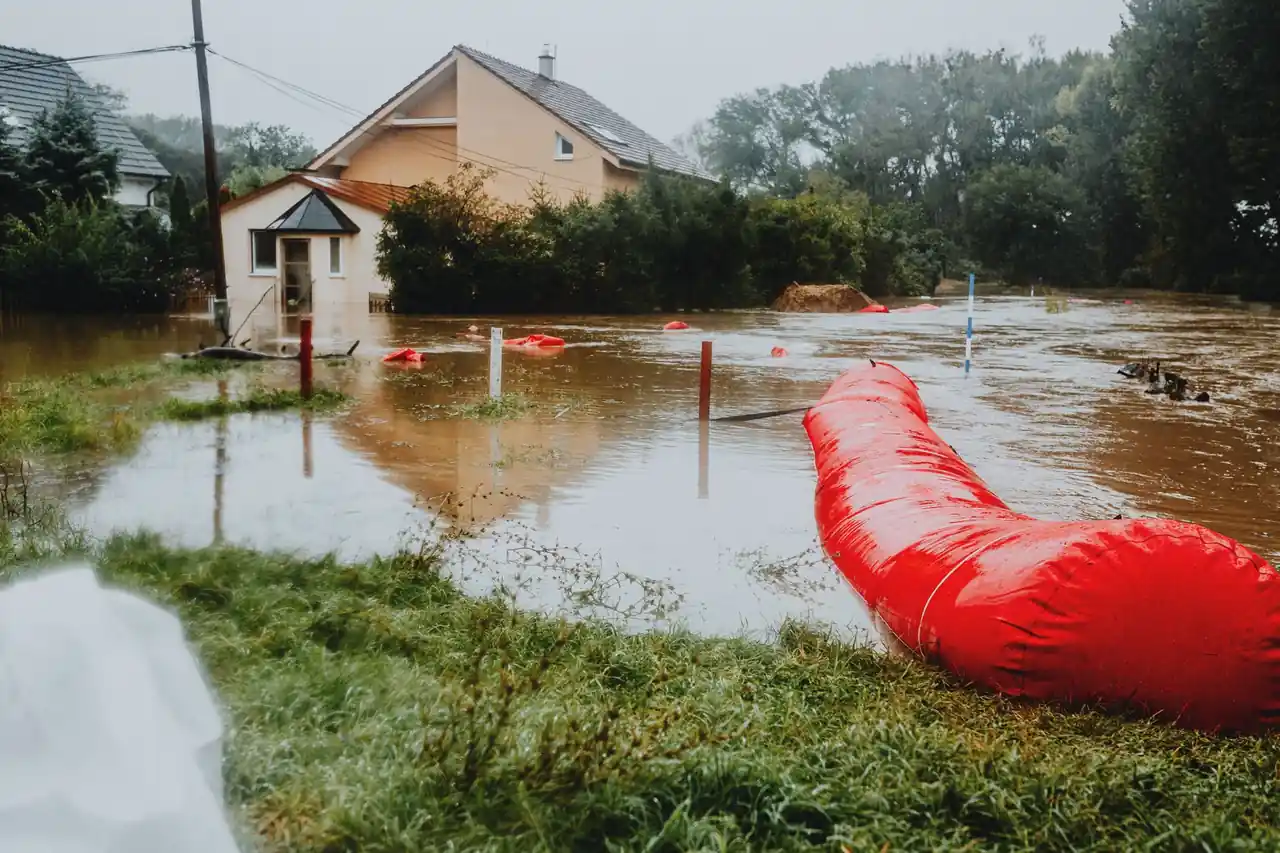
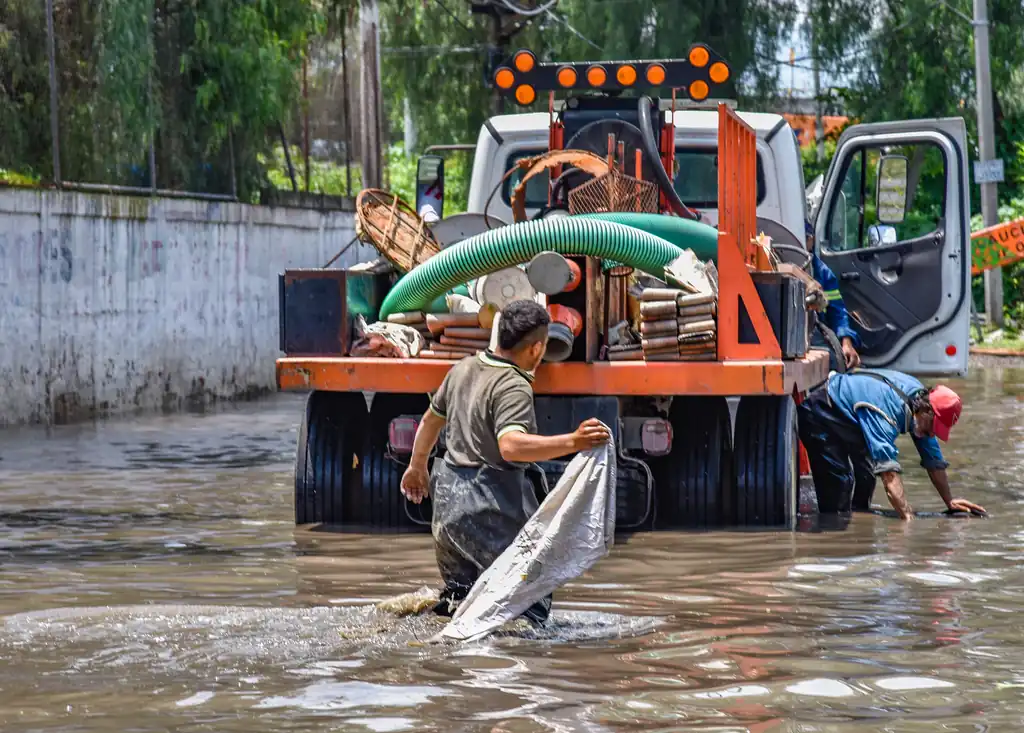
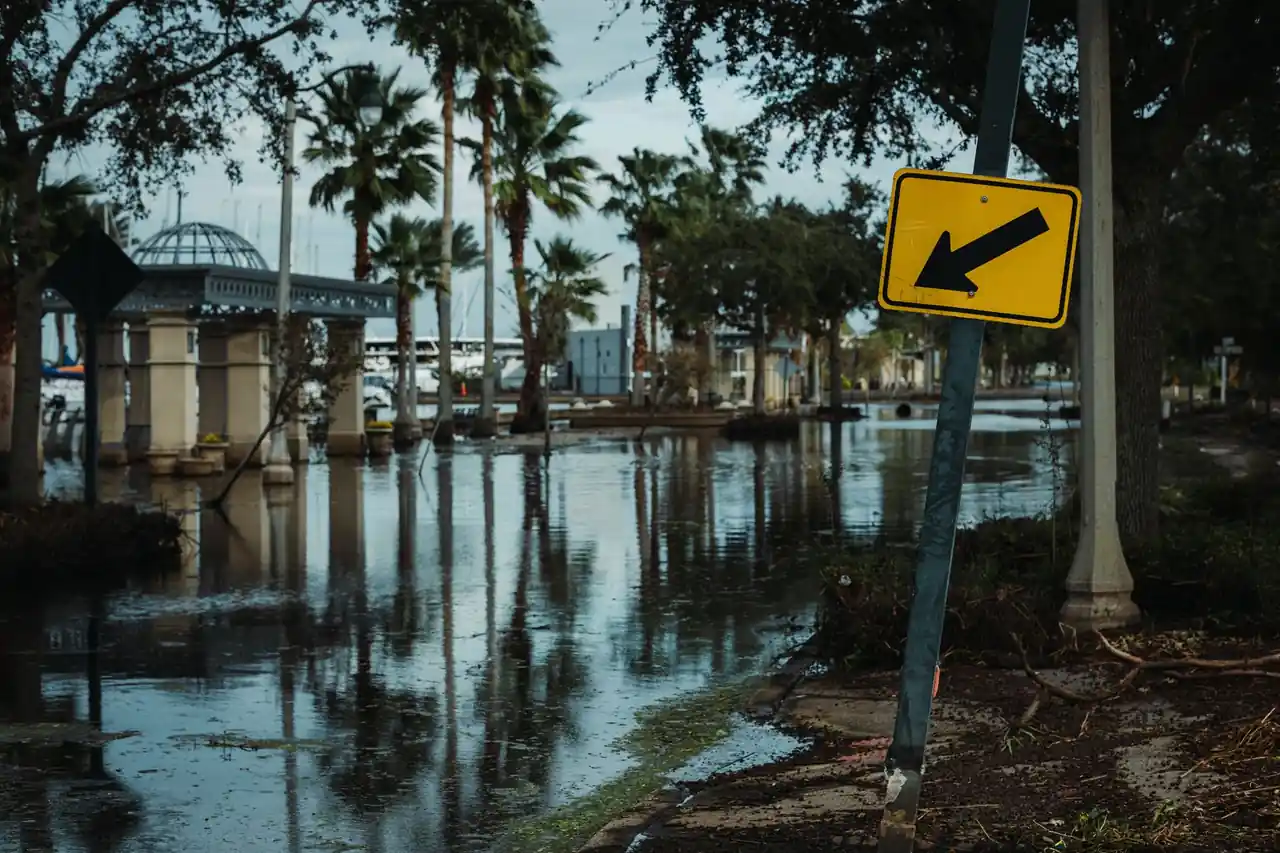
When a storm pushes water into your Burleson home, storm flood water remediation Burleson TX is the difference between a dried-out house and a mold problem. We pull standing water, dry the structure, and document every step for your claim. Our crews run storm water extraction Burleson wide, from Downtown to Bluebonnet Estates, day or night.
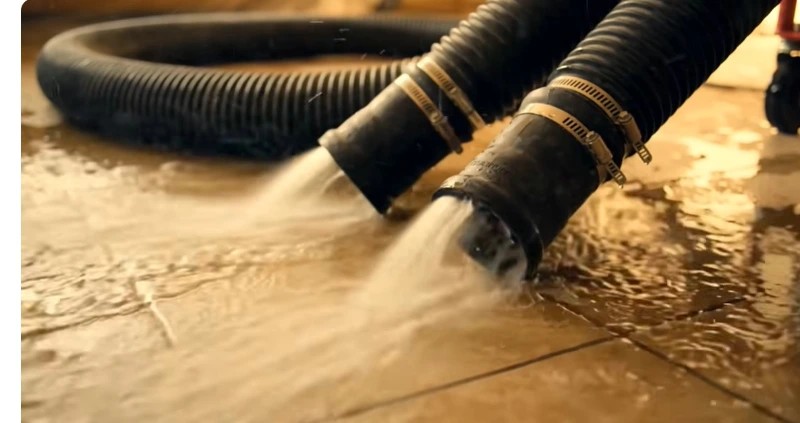
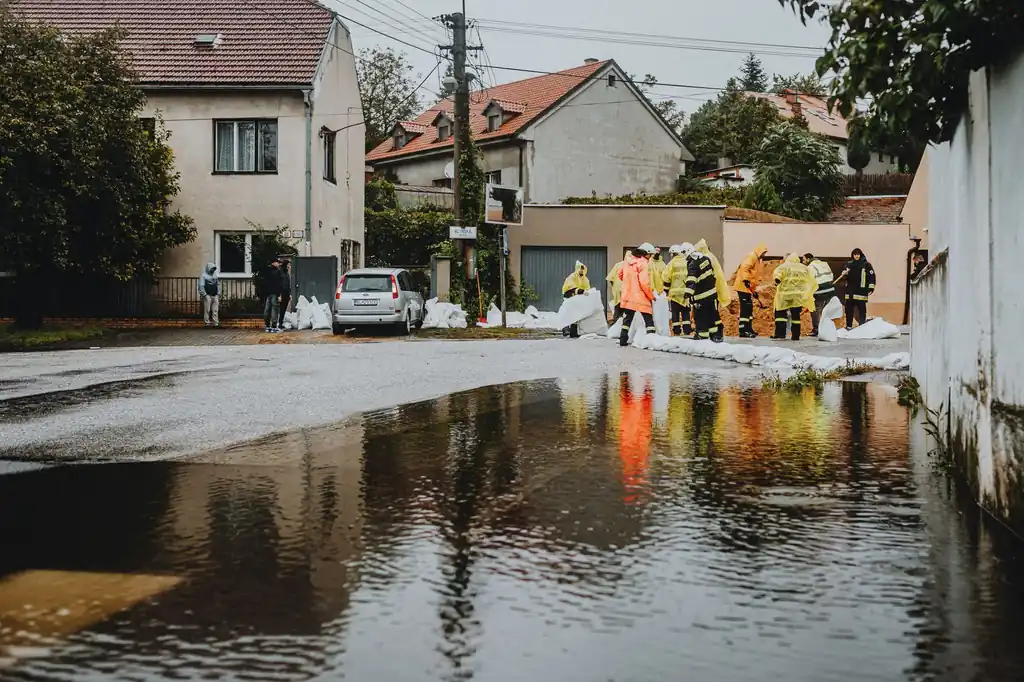
After a storm, flood water removal in Burleson means pumping out deep standing water first, then extracting what soaked into floors and walls, then drying the structure with daily moisture verification. Outside water is treated as contaminated — it carries soil, chemicals and bacteria — so speed and sanitation matter as much as drying.
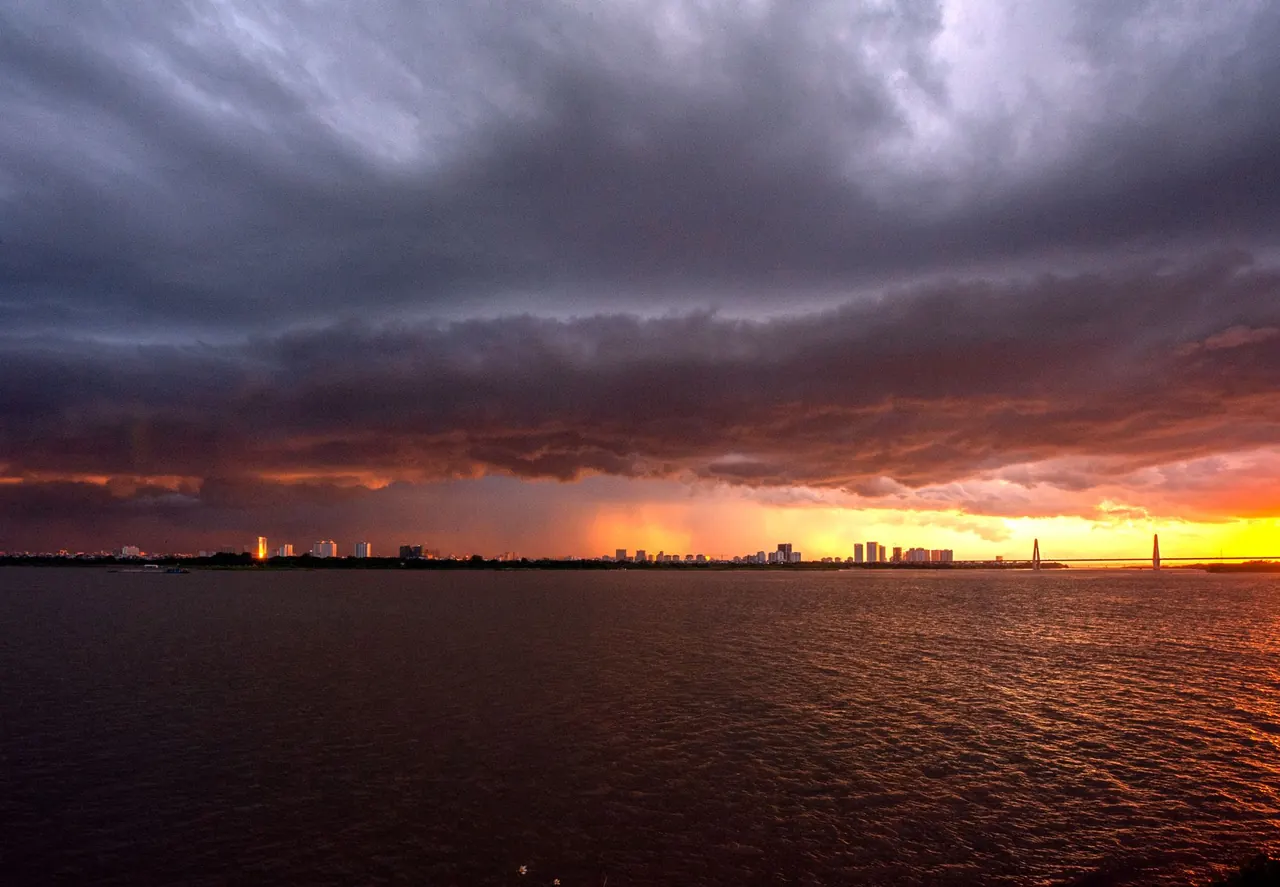
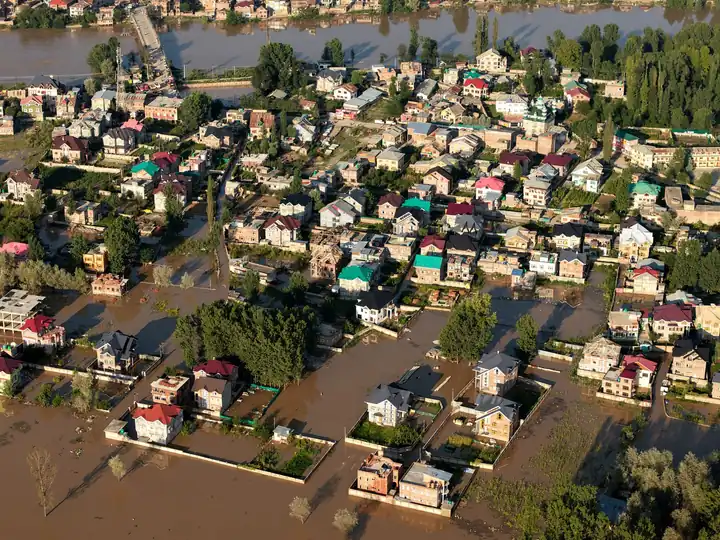
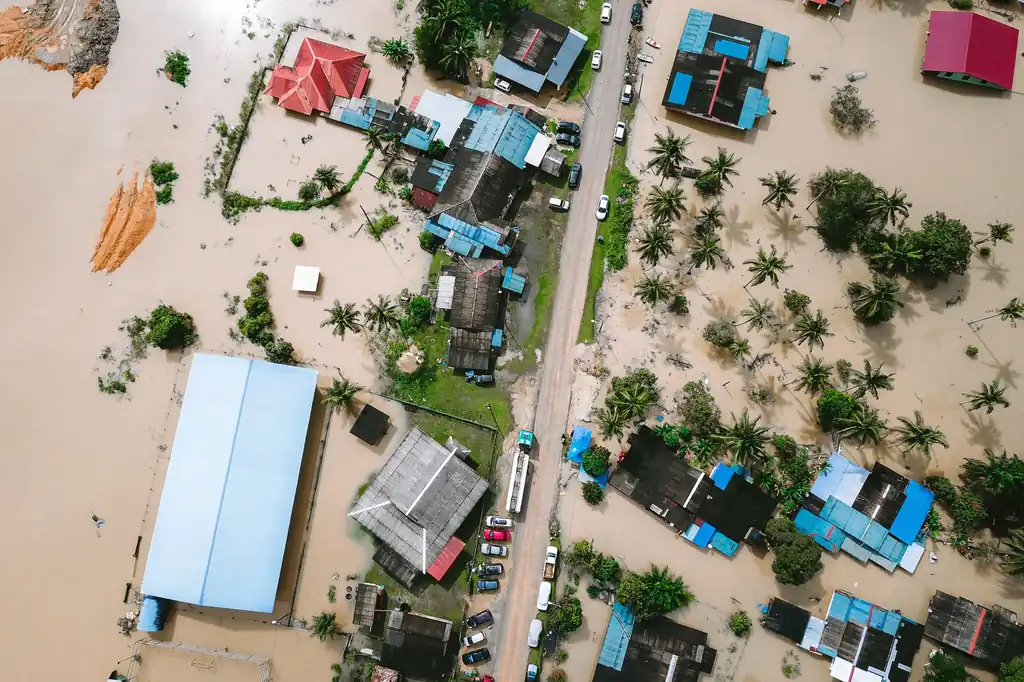
Call (817) 555-0123Burleson averages about 37 inches of rain a year, but it arrives in bursts — May alone averages 4.78 inches, and North Texas storms add straight-line winds, hail and tornado risk on top of the rain. Village Creek and Shannon Creek run through the city, and homes near their corridors and low-lying streets see water first. Wind-driven rain also finds roof damage and sends water down through ceilings and walls far from any creek.
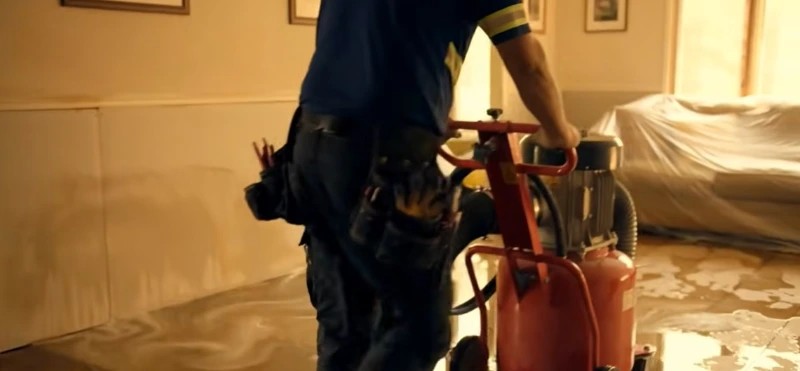
Inches of standing water come out with submersible pumps — that is pump-out, and it is only step one. What remains soaked into carpet, pad, hardwood and drywall comes out with weighted extraction wands and truck-mounted extractors, and the structure is then dried to a measured dry standard. Skipping step two is how "dry" houses grow mold two weeks later.
This site connects Burleson homeowners with independent local water extraction professionals for emergency water extraction in Burleson.
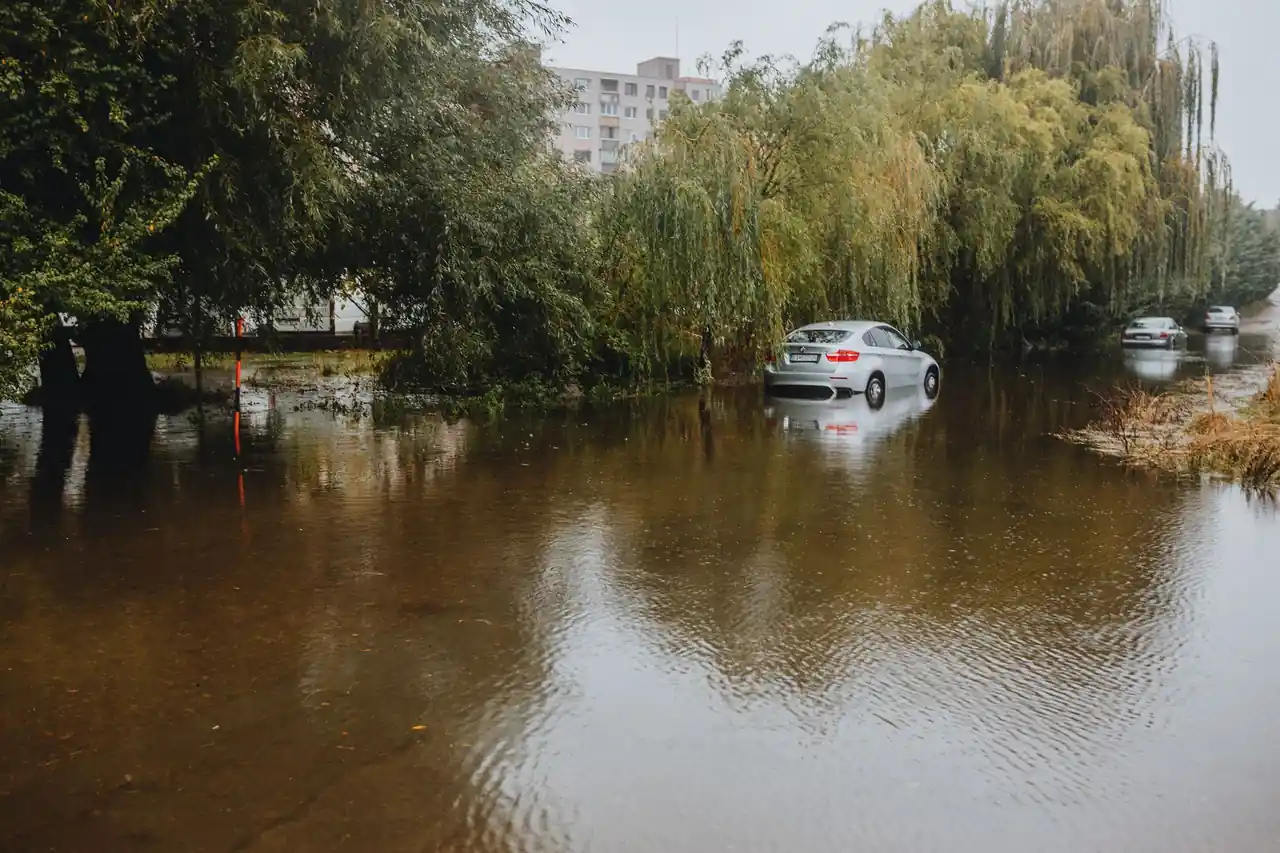
Water that has been outside is never clean water. It is handled with protective equipment, containment, and antimicrobial treatment, and porous materials it soaked — carpet pad, saturated drywall, insulation — are usually removed rather than dried. Keep kids and pets out of flooded rooms, and do not run your HVAC, which can spread contamination through the ducts.
Standard Texas homeowners policies cover sudden water damage from inside the home — they do NOT cover rising flood water. Flood damage needs a separate flood policy (NFIP or private), and sewer or drain backup usually needs its own endorsement. Photograph everything before cleanup starts; the photos are your evidence either way.
The same day if possible. Mold can start growing on wet materials within 24–48 hours, and flood water keeps damaging floors and drywall for as long as it sits. Every dry day you lose at the start is added back as demolition later.
You can rent a pump for clean rainwater in an unfinished area — but flood water is contaminated, electrical hazards are real in standing water, and a pump does nothing for water already soaked into materials. Most homeowners who start DIY end up calling for extraction anyway, a day later.
Check the crawl space or slab edges, garage, and any room below grade after the water drops. Water that reached the foundation line can wick into wall cavities without ever showing on the floor.
Wind-driven rain through a storm-damaged roof is usually covered as part of the storm loss; the water damage inside is treated separately from the roof repair itself. Rising water from the ground is the part standard policies exclude.
Flood work is Category 3 work — extraction and drying typically run $9–$12 per square foot (2026 benchmarks), plus removal of unsalvageable materials. The exact scope follows an on-site moisture assessment.
This site connects Burleson homeowners with independent local water extraction professionals for same-day response.
Call (817) 555-0123Every storm flood water remediation job starts with a full inspection and a written scope. What follows depends on the water category and how far it spread, but these are the core pieces we handle on every job.
We handle storm flooding in houses, duplexes, and rentals across Burleson. You get extraction, drying, and a written moisture report you can send to your insurance carrier.
We handle storm flooding in retail, office, and warehouse spaces across Burleson. You get fast extraction and large-scale drying so you can reopen without a long shutdown.
Storm flood water remediation Burleson TX is the process of removing floodwater from a structure after a storm, then drying the building materials and sanitizing everything the water touched. It starts with a truck-mounted water extractor pulling hundreds of gallons out of carpet and crawl space, then moves to air movers and dehumidifiers running until moisture meter readings match dry standard. We test wall cavities with a thermal imaging camera, check for hidden saturation behind baseboards, and apply antimicrobial solution to any surface that held standing water.
Burleson sits in Johnson County where spring and fall storm cells drop two to four inches in a single afternoon, and that water finds every low spot in a slab. If you search storm flood water remediation near me Burleson TX after a storm, you are usually dealing with a roof leak, a flooded garage, or a backed-up drain that pushed water into a hallway. We handle emergency flood water removal in Burleson, Texas with the same crew that does our structural drying work, so nothing gets handed off mid-job.
We pull the water, dry the structure, and prove it with readings before we leave.
Five steps, one crew, and a clear handoff at the end. Here is how a typical storm flood water remediation job runs from the first call to the final reading.
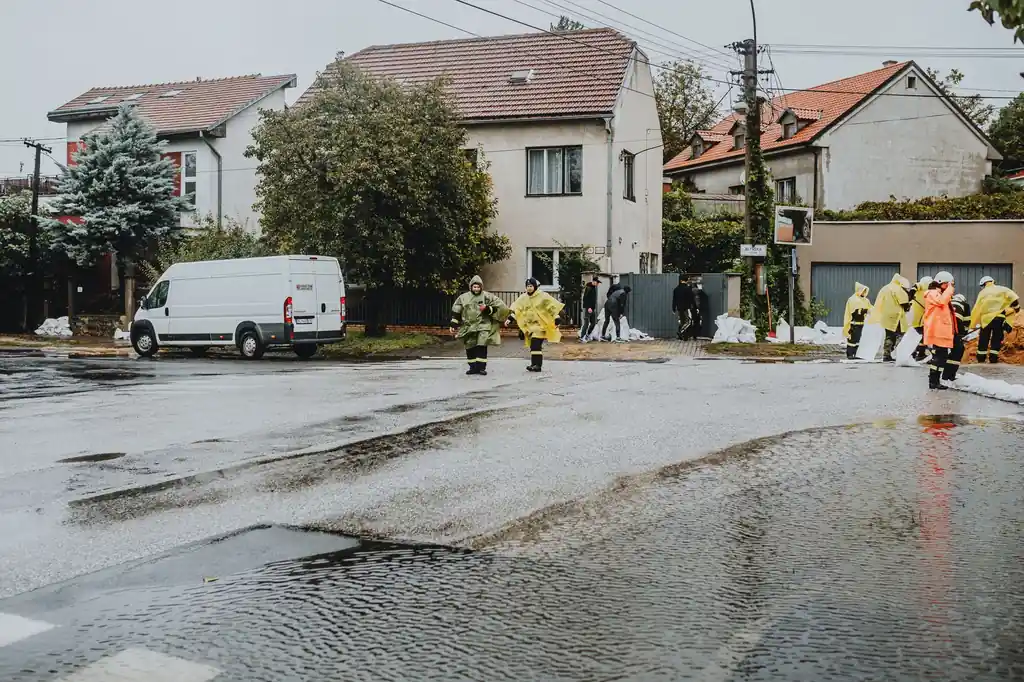
You call, we ask three questions: where is the water, how deep is it, and is it clean or contaminated. That tells us whether to send a standard extraction truck or a sewage-rated crew. We give you an arrival window on the call and a flat assessment number before we roll.
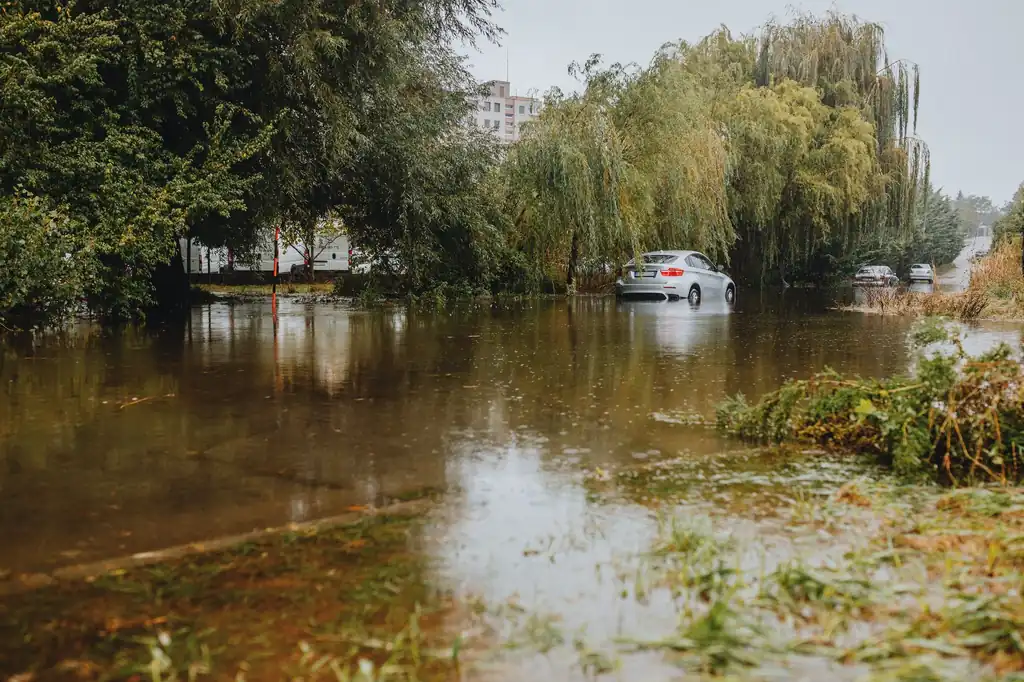
On arrival we walk the affected area with a moisture meter and thermal imaging camera. We check wall cavities, baseboards, and the crawl space for hidden water. You get a written scope the same visit, with photos and a moisture map you can send straight to your adjuster.

We pull standing water with a truck-mounted extractor, then switch to a portable water extraction unit for tight spaces like closets and under cabinets. Carpet and pad come up if saturation is above 60 percent. Most rooms take two to four hours to extract.
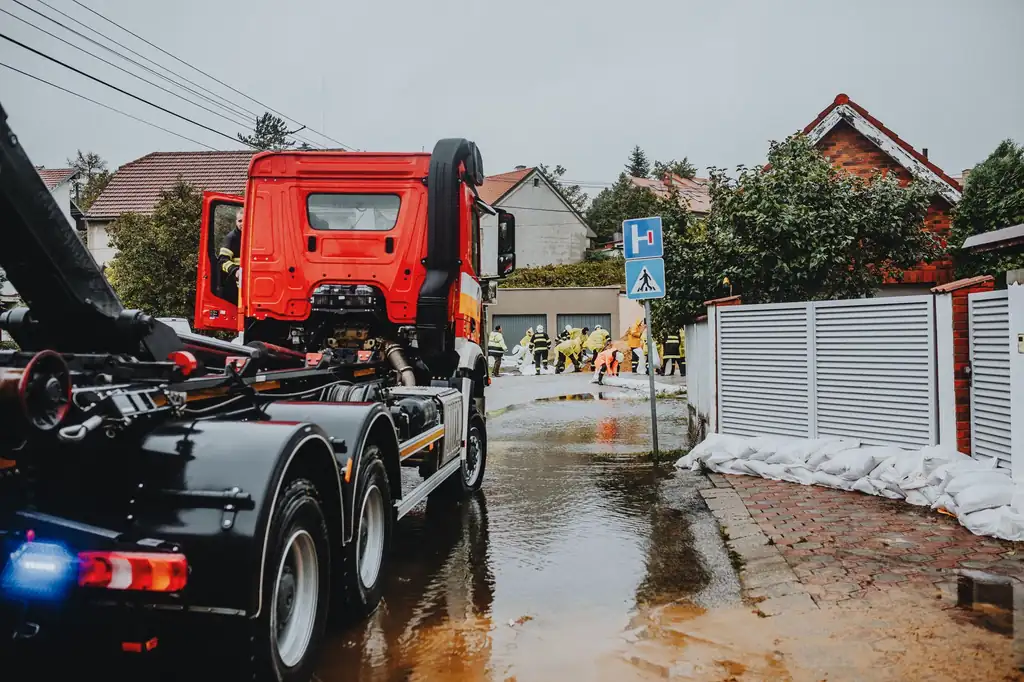
Air movers and dehumidifiers go in the same day, positioned to push air across wet surfaces and pull moisture out of the room. We apply antimicrobial solution to framing and baseboards, then check readings every 24 hours until the structure hits dry standard.
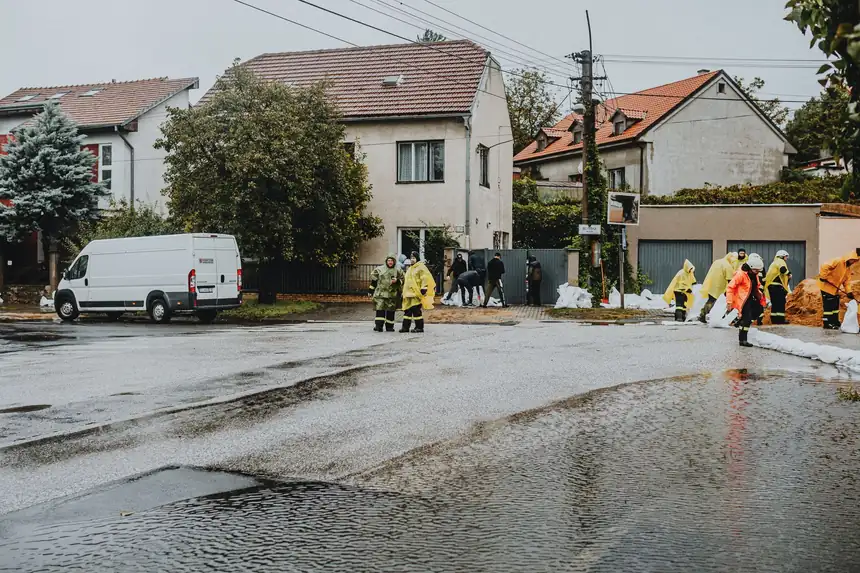
When moisture meter readings match a dry unaffected room, we remove equipment and do a final walkthrough with you. You get a completion report with before-and-after readings, photos, and a note on what to watch for over the next two weeks.

Pulls 50 to 100 gallons per hour from carpet, pad, and hard flooring. This is the first tool on site and the one that gets standing water out fastest.
Reaches tight spaces a truck mount cannot, like closets, under cabinets, and upstairs rooms. We use it after the truck mount to get the last of the standing water.
Finds hidden water behind walls and under floors by reading temperature differences. This is how we catch a leak that has traveled six feet from where you see the stain.
Gives us a number for how wet a material is. We log readings at every visit and use them to decide when the structure is actually dry.
Air movers push air across wet surfaces while dehumidifiers pull moisture out of the air. Together they dry framing, drywall, and subfloor without tearing anything out.
Inspects drain lines when storm water backs up through a floor drain. It tells us whether the backup is from the city line or a blockage inside your plumbing.
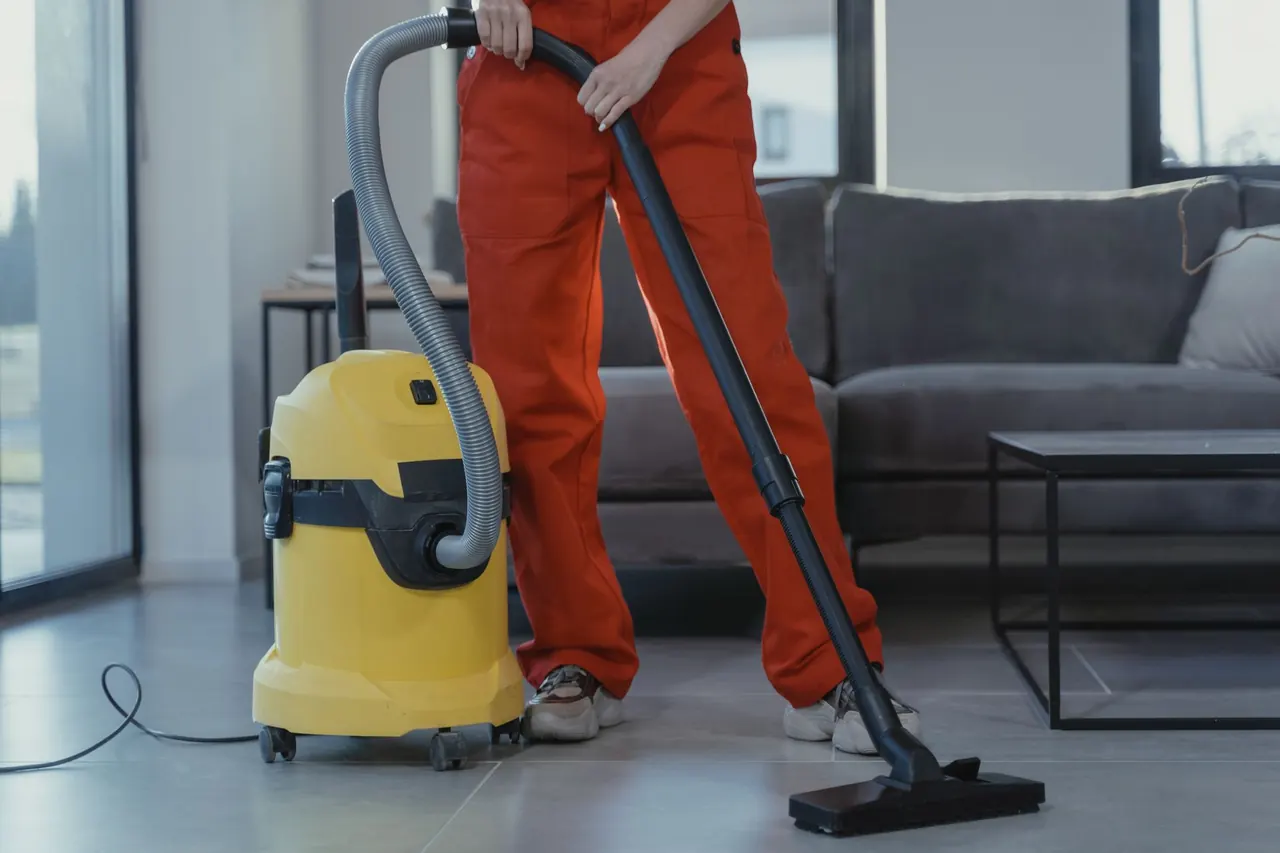
Neutralizes odors left behind by contaminated storm water or sewage backup. We run it after extraction and disinfection, never while anyone is in the home.

The water damage restoration standard we follow for categorizing water, setting drying goals, and verifying the structure is dry. It is the same standard your insurance adjuster uses to review our scope.
We extract standing water from the garage and hallway, pull saturated carpet and pad, and set air movers and dehumidifiers. We check the wall cavities for hidden water and apply antimicrobial solution to the baseboards. Most garages and hallways are dry to the touch the same day, with full structural drying complete in three to four days.
We come out, find the roof leak entry point, and extract water from the ceiling and attic insulation. We tarp or patch if needed and set drying equipment in the affected rooms. You get the leak stopped and the drying started the same night, which usually saves the ceiling drywall from a full replacement.
We pump the crawl space, dry the joists and insulation, and treat framing with antimicrobial solution. We also check for foundation drainage issues that let water back in. Crawl space dries in three to five days, and the humidity inside your home drops back to normal.
We treat it as contaminated water, use sewage cleanup PPE, remove saturated materials, and disinfect hard surfaces. Then we dry the structure and document everything for your insurance claim. The contaminated water is gone, the room is disinfected, and your claim has the documentation it needs to move forward.
Burleson sits in Johnson County where clay soil and slab-on-grade construction shape how storm flooding plays out. Clay soil does not absorb water quickly, so after a two-inch rain, water pools against foundations and finds its way into garages, crawl spaces, and low rooms. Older homes in Old Town Burleson often have pier-and-beam foundations with crawl spaces that flood first, while newer builds in Alsbury Landing and Hidden Creek tend to see water come in through door thresholds and garage slabs. We adjust our approach based on what we find: crawl space jobs get pumping and joist drying, slab jobs get extraction and baseboard checks. If you need flood water extraction services Burleson TX after a storm, call and we will tell you what to expect based on your neighborhood. We work under TDLR rules for mold-related work and follow IICRC S500 drying standards on every job, which keeps our documentation aligned with what your adjuster expects.
A spring storm pushed two inches of water under the garage door and into the hallway carpet. The homeowner called the next morning with wet carpet, a soaked baseboard, and a musty smell starting.
We extracted 40 gallons, pulled the pad, and set four air movers and one dehumidifier. Moisture readings dropped from 28 percent to 11 percent in three days. Carpet dried in place, no mold, and the insurance scope was approved without a second visit.
Keep gutters clear and check the garage door threshold seal each spring. A $20 seal replacement prevents most of these calls.
A week of rain left four inches of standing water in a pier-and-beam crawl space. The homeowner noticed humid floors inside and a musty smell in the living room. Floor framing was starting to soften.
We pumped the crawl space, dried the joists with air movers and a desiccant dehumidifier, and treated framing with antimicrobial solution. Moisture content in the joists dropped from 24 percent to 12 percent in five days. No mold growth.
Check crawl space vents before storm season and make sure the vapor barrier is intact. Standing water under the house is the number one cause of floor rot.
Storm-driven rain found a flashing gap and soaked a bedroom ceiling. Water traveled along a joist and dripped six feet from the actual leak. The homeowner only saw a stain on the ceiling and did not know the wall cavity was wet.
We traced the leak with a thermal imaging camera, extracted water from the ceiling and wall cavity, and dried in place. Moisture readings hit dry standard in four days. The ceiling drywall was saved, and the roof was patched the same week.
Have your roof inspected after every hail event and check attic insulation for damp spots. Catching a leak early is the difference between a patch and a full ceiling replacement.
Most storm flood calls start with the same handful of problems. Here is what we see most often and how we handle each one.
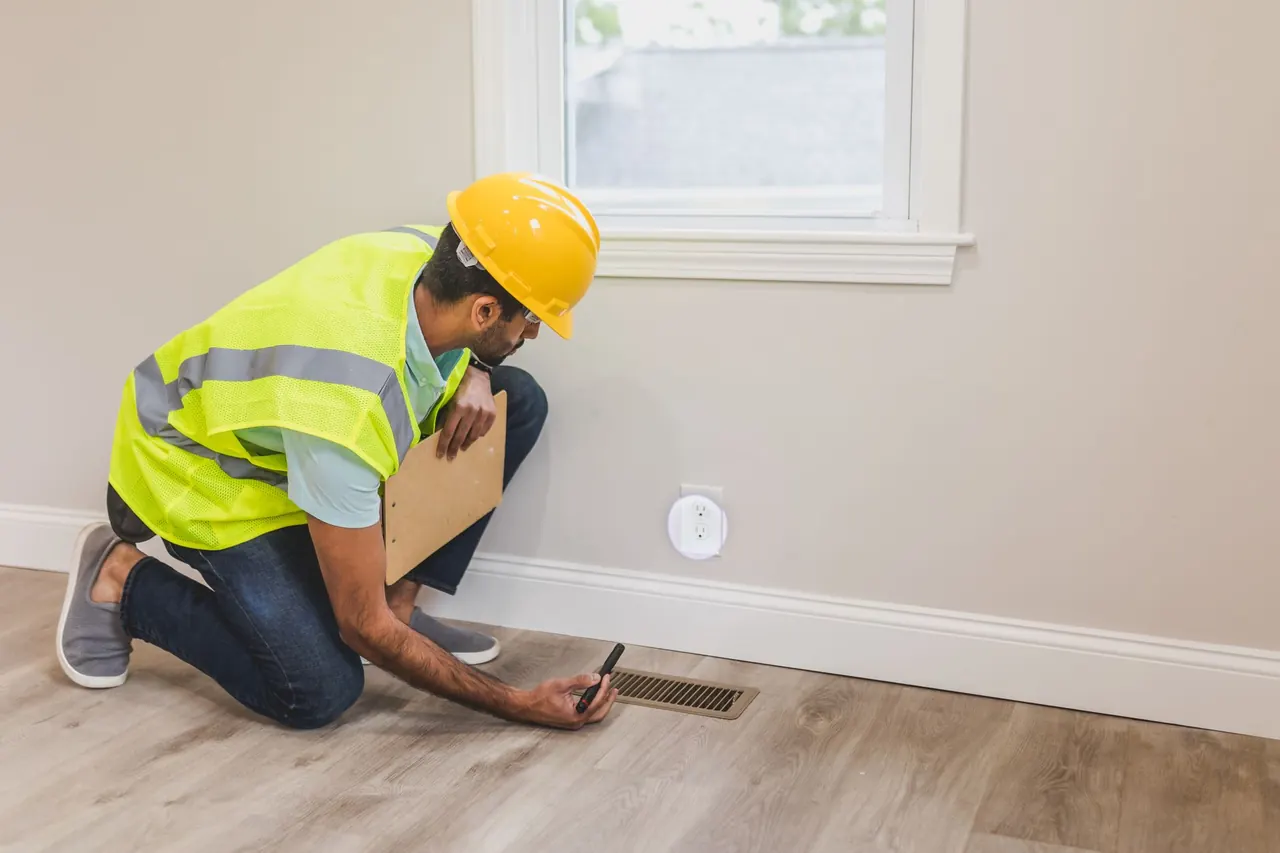
We treat it as category 3 water, use sewage cleanup PPE, remove saturated porous materials, and apply disinfectant to hard surfaces. Then we dry the structure and document the whole scope for your carrier. Contaminated water spreads under flooring and into wall cavities, and it carries bacteria that a standard fan will not fix.
We trace the leak with a thermal imaging camera, extract water from ceilings and wall cavities, and dry in place when possible. If drywall is saturated past saving, we remove and replace it as part of the restoration scope. Water travels along joists and drips far from the actual leak, so homeowners often miss the real wet zone until drywall sags.
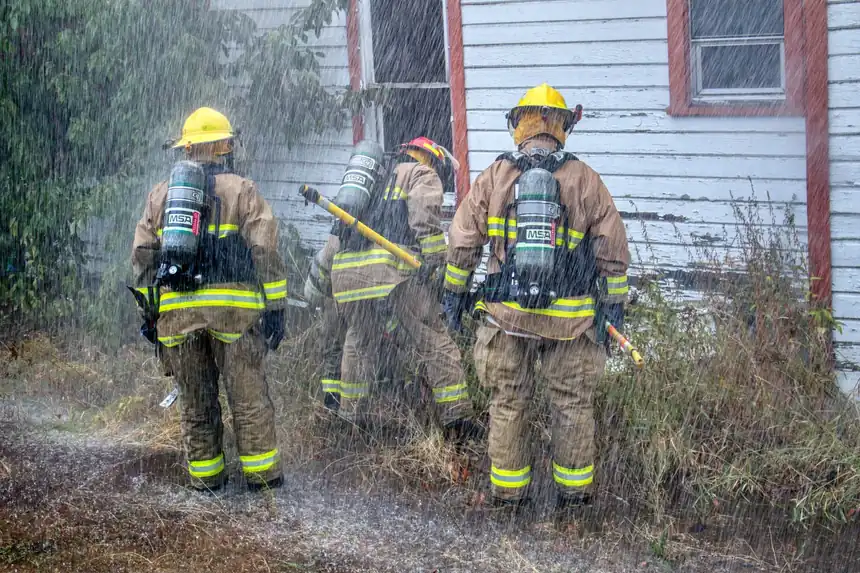
We pump the crawl space out, dry the joists and subfloor with air movers and dehumidifiers, and treat framing with antimicrobial solution. We also check for slab leaks and foundation drainage issues that make it worse. Standing water under the house rots floor framing, ruins insulation, and pushes humid air up into living spaces.
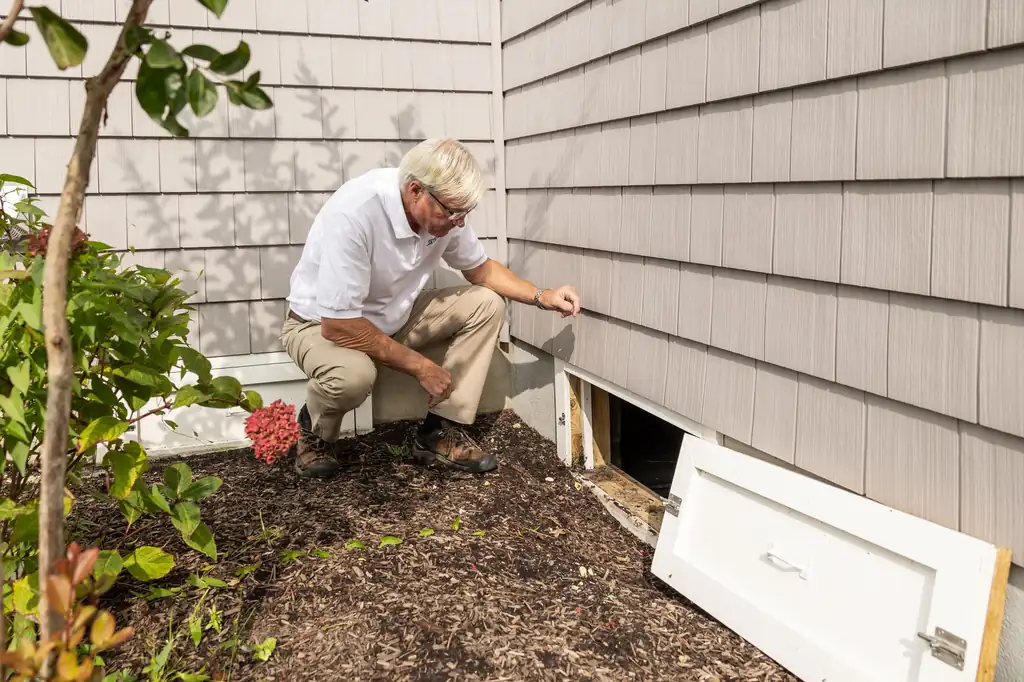
We extract between boards, set drying mats, and monitor moisture content daily. Catching it early often saves the floor. If boards are too far gone, we document it and coordinate replacement with your restoration scope. Wood absorbs water fast and starts to cup within 24 hours. Left alone, boards buckle and the whole floor has to come out.
A truck-mounted water extractor pulls 50 to 100 gallons per hour from carpet and pad, so most single-room floods are dry to the touch the same day. We stage equipment, run extraction, and give you a moisture reading before we leave.
Mold can start growing on wet drywall in 24 to 48 hours. We apply antimicrobial solution and set desiccant dehumidifiers the first visit, which keeps a two-inch flood from turning into a full tear-out. That saves thousands on reconstruction.
We photograph every affected room, log moisture readings, and build a line-item scope in Xactimate. Most Burleson carriers accept our documentation without a second adjuster visit, which shortens your claim by days.
Storm flooding and sewage backup are not the same job. If the water came up through a floor drain, we treat it as contaminated, use sewage cleanup PPE, and remove porous materials instead of drying them in place. That distinction matters for your health and your claim.
Typical 2026 pricing in the Burleson area runs $1,200 to $4,500 for residential storm flood water remediation, depending on square footage, water category, and how long the water sat. A single room with clean storm water is on the low end. A contaminated crawl space with sewage backup is on the high end. We give you a written scope before work starts, and most insurance policies cover the full amount minus your deductible. If you are comparing flood cleanup services Burleson, ask for the scope in writing so you can compare line items, not just totals.
What your estimate is based on
$1,200 - $4,500 depending on scope The cost of remediation is almost always less than the cost of mold remediation and reconstruction. Drying a wet wall in three days costs a fraction of tearing it out and rebuilding it three weeks later.
Clear records you can keep and share.
Room-by-room plan with photos and readings
Before-and-after numbers you can keep
Final readings and what to watch for
Storm water and sewage backup are not the same job, and the difference changes what we do. Knowing which one you have helps us send the right crew.
Storm water that came through a door is usually clean. Water that came up through a floor drain is contaminated and needs disinfection. We ask on the call so we send the right crew.
Mold can start growing on wet drywall in 24 to 48 hours. Extraction and drying in the first day is the difference between saving materials and tearing them out.
A floor can feel dry while the wall cavity behind it is still wet. We use a moisture meter and thermal imaging camera to find hidden water before we pull equipment.
Outside these areas? Call and ask, we may still be able to help. (817) 555-0123
Water Extraction Burleson TX handles storm flood water remediation in Burleson TX with IICRC-certified crews and truck-mounted extraction equipment. We cover every neighborhood from Downtown Burleson to Bluebonnet Estates and work directly with your insurance carrier. Call (817) 555-0123 and we will give you an arrival window on the spot.
Most residential flood cleanup jobs in Burleson run $1,200 to $4,500 depending on square footage, water category, and how long the water sat. A single room with clean storm water is on the low end; a contaminated crawl space with sewage backup is on the high end. We give you a written scope before work starts, and most insurance policies cover the full amount minus your deductible.
Extraction itself takes two to four hours for a typical room. Full drying runs three to five days with air movers and dehumidifiers running continuously. We check moisture readings every 24 hours and pull equipment only when the structure hits dry standard. If your home has hardwood or a crawl space, plan on the longer end of that range.
Most homeowner policies cover sudden storm water damage, including extraction, drying, and antimicrobial treatment. Flood insurance through NFIP is separate and covers rising water from outside. We document everything in Xactimate and bill your carrier directly, so you are not fronting the full cost. Call us and we will walk you through what your policy likely covers.
Standing water turns into mold in 24 to 48 hours. Call (817) 555-0123 and we will give you an arrival window on the spot. We work with your insurance carrier and document everything from the first visit.
Call (817) 555-0123 any time, day or night, and a live dispatcher will take your information and send the closest crew. Most Burleson addresses see a technician within 60 to 90 minutes. You can also email [email protected] for non-emergency questions or to send photos of the damage.